I’ve been writing about skin care for over a decade and have tried what feels like every product under the sun (special shoutout to my SPFs). Acids are a personal favorite of mine and have always been part of my routine. So when azelaic acid started blowing up my social media feed, seemingly out of nowhere, I had to find out more. It’s flown under the radar forever and somehow I’d missed this skin care ingredient altogether. Now that it’s having a moment, I decided to give it a try. I added it to my nightly skin care routine for four weeks to discover the benefits of azelaic acid and see what all the new hype is about.
Key Takeaways:
- Versatile Benefits: Azelaic acid is known for its anti-inflammatory and antimicrobial properties, making it effective for treating acne, rosacea and hyperpigmentation. It promotes cell turnover, which can help reduce acne scarring and even out skin tone.
- Gentle Exfoliation: The acid serves as a gentle exfoliant, helping to unclog pores and improve skin texture, which contributes to its effectiveness in managing various skin conditions.
- Usage and Results: Incorporating azelaic acid into a skincare routine can lead to visible improvements in skin clarity and texture, though it may take some time to see results. It's also important to use SPF when using products containing azelaic acid, as they can increase skin sensitivity to the sun.
Benefits of Azelaic Acid
Azelaic acid is an effective ally in the treatment of acne, though takes some time to start working and can come along with side effects, including skin burning, dryness and peeling. For these reasons, azelaic acid by itself isn’t typically a dermatologist’s first choice for treating acne on its own, though it is often combined with other active ingredients like salicylic acid. It helps clear your pores of bacteria that may be causing irritation or breakouts by reducing inflammation so acne becomes less visible, less red and less irritated. Salicylic acid softens a protein in your skin called keratin. This can help keep your pores from getting clogged, reducing the occurrence of pimples. When used in combination, salicylic and azelaic acids can be a dream team. Azelaic acid not only unclogs pores but also helps kill acne-causing bacteria on your skin. Plus, it can even out your skin tone by getting rid of free radicals, toxins that can damage your cells. Win, win.
Azelaic acid also treats rosacea by decreasing the swelling and redness of the skin. Is skin-soothing properties help to calm redness and sensitivity.
Hyperpigmentation results from the overproduction of melanin and appears as dark spots or patches on the skin. Because it’s a gentle exfoliating agent, azelaic acid is a great option for evening out the look of your complexion and decreasing pigmentation by inhibiting an enzyme called tyrosinase that leads to these dark marks on the skin.
According to MindBodyGreen, research indicates that azelaic acid has “profound anti-inflammatory and antioxidant benefits,” which contributes to many of the other positive effects of azelaic acid. It has the ability to neutralize free radicals, which then stops the inflammatory process. Acne and rosacea are both forms of inflammation, so it’s no wonder that azelaic acid is a common go-to for treatment.
Since it can be so effective in fading hyperpigmentation and managing inflammation, azelaic acid is also commonly used to treat and prevent acne scarring. It gently encourages cell turnover so your skin heals more quickly and scarring is minimized.
Adding Azelaic Acid to My Routine
I did a quick search and discovered azelaic acid in a peel that sounded like a good fit for my needs. The Clear Skin Willow Bark Exfoliating Peel is a deep cleansing, clarifying liquid solution that is used with dual-textured cotton rounds. It contains gentle salicylic acid to remove surface impurities and dirt from the skin, allowing the action of biosulphur and tomato extract to help balance sebum. Willow bark calms the look of skin while lilac and my new BFF, azelaic acid, help to reduce the appearance of redness, inflammation and pore size, leaving the skin feeling clear, smooth and revitalized. Like I said, my kind of product.
One happy customer, Alexa S., calls it “Game-changing for [the look of] acne scars,” saying in an online review: “I used this product at night and literally the next morning my skin was firmer and smoother. I'm already seeing a reduction in [the appearance of] my cystic acne scars, and I've had no irritation. Even with my sensitive skin, my face doesn't get too red after use. I will absolutely be using this product for years to come.”
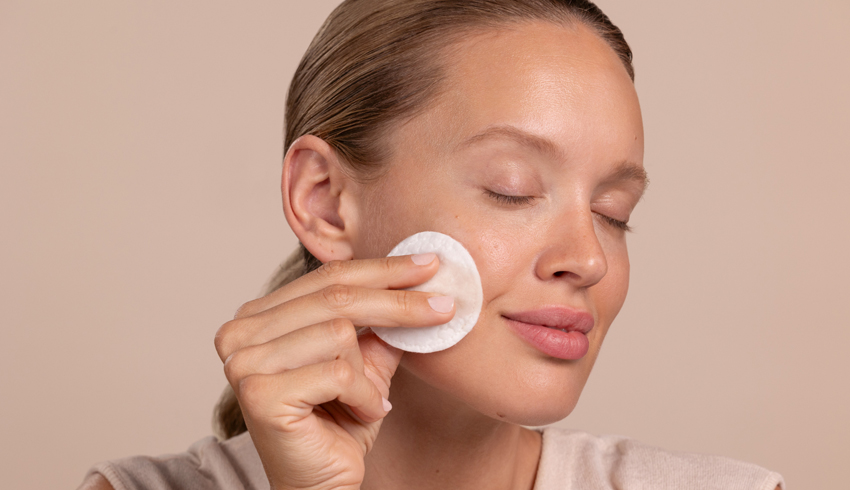
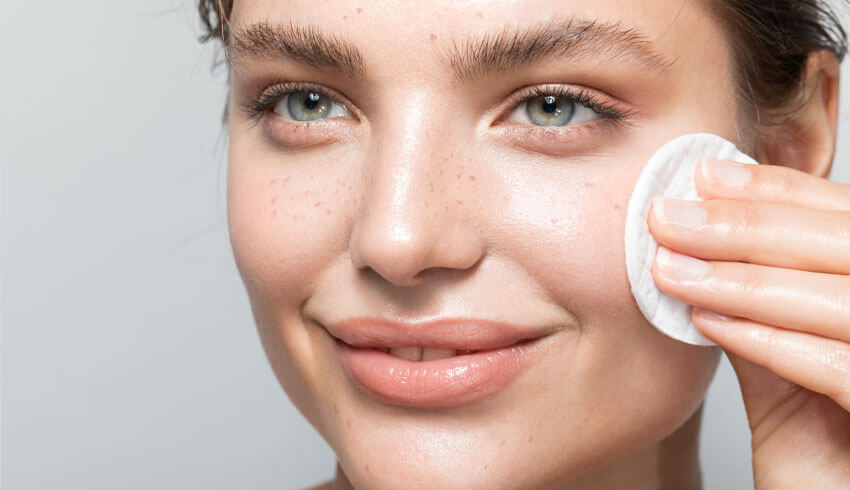
I decided to use it at night after cleansing my skin with my favorite Stone Crop Cleansing Oil. I dispensed two pumps onto the textured cotton pads and applied it in circular motions all over my face and neck. I also applied to my décolleté, since I’ve got lots of uneven skin tone there from some unfortunate sunburns in my earlier years.
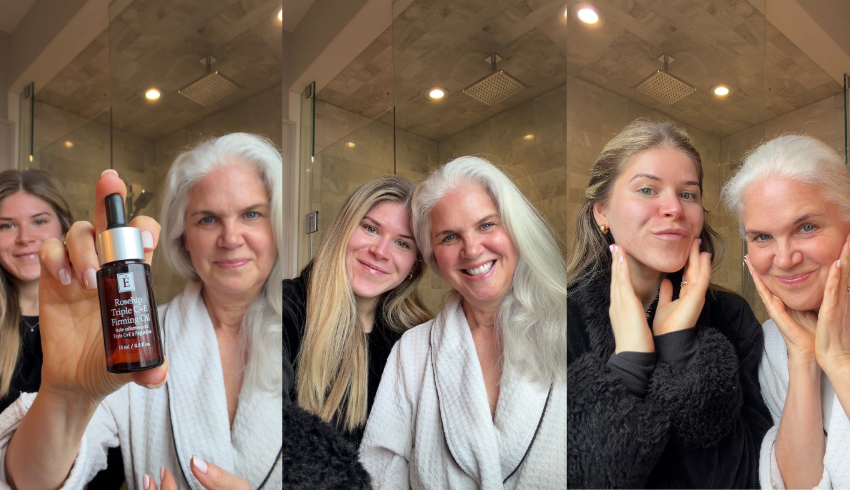
I wasn’t sure what to expect but didn’t feel so much as a tingle. Just a light layer of liquid that dried down almost instantly, leaving my skin feeling moist and maybe the tiniest bit sticky, but in a good way. Some nights I would leave it at that, while other nights I would wait about 10 minutes and then apply a layer of my ride-or-die Rosehip Triple C+E Firming Oil before climbing into bed.
Product Picks



My Results Using Azelaic Acid
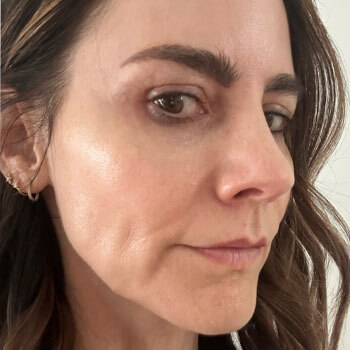
After about four weeks of using it, I’ve noticed a few things. First of all, my skin feels and looks clean. Maybe it’s because I haven’t had a single blemish or breakout since I introduced it to my evening routine or it could be because I’m a sucker for a gentle exfoliation. My pores look smaller and my skin just feels fresh and renewed. According to Carmen Castilla, MD, a board-certified dermatologist in New York City: “In cosmetic formulas, azelaic acid acts as an exfoliant to promote skin cell turnover and unclog pores, and has mild anti-inflammatory properties as well.” Check, check, check.
My skin also feels softer and smoother than before. I notice my makeup going on a little more easily and staying put all day with no dry patches or streaking. I also feel like my other skin care is absorbing more evenly into my skin.
Another big takeaway is that my skin looks more even. The dark spots that have been bugging me for years are looking lighter and less noticeable — especially on my chest. It’s a subtle change but enough to keep me on this new skin care regimen to see where it goes.
Of course, I wouldn’t be doing my job if I didn’t call out the importance of wearing SPF while using azelaic acid. It’s always recommended to wear sunscreen when you go outside, but be especially mindful to wear SPF products when you’re using azelaic acid since it can make your skin more sensitive and prone to sun damage.
All in all, I’m happy to have discovered this ingredient and I’m thrilled with the results so far. Again, it’s a slow and steady process, but worth the wait!
Are you interested in adding azelaic acid into your routine? Visit an Eminence Organics Spa Partner to find out which products are right for you.