You’re probably familiar with milia, the tiny white bumps that appear under the skin. While they’re very common and generally benign, these stubborn blemishes are hard to get rid of. An at-home facial scrub might seem like a logical treatment for these keratin-filled cysts, but seeing a professional is recommended as a first step. Read on to find out how to treat milia and keep them from coming back.
Key Takeaways
- Physical scrubs shouldn’t be a primary treatment for milia. They won’t remove them effectively since they sit beneath the skin’s surface. Over-scrubbing with things like granular scrubs can irritate skin and potentially make milia worse.
- Professional treatment is most effective: Extraction by a dermatologist or esthetician is the safest and most reliable way to remove milia. At-home care should focus on prevention and maintenance.
- Milia prevention is a result of gentle exfoliation and strategic skin care: Think regular use of chemical exfoliants, lightweight products and daily sun protection.
What Are Milia & How Do You Treat Them?
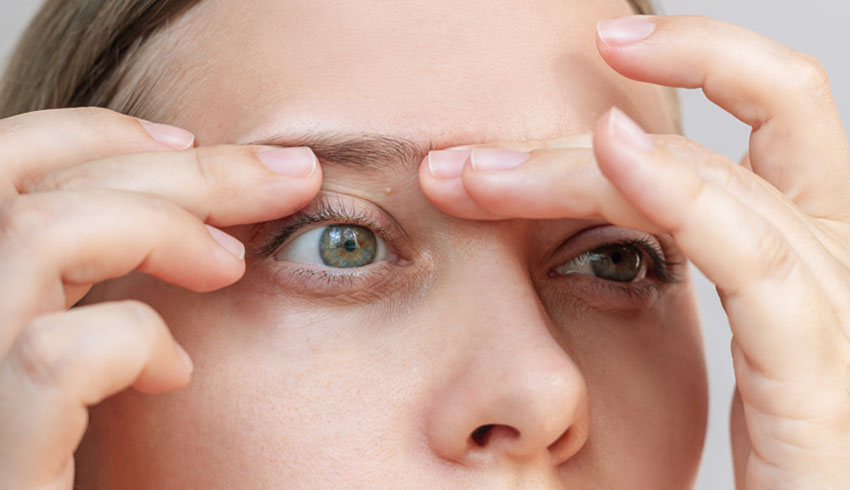
Milia (the plural of milium) are those tiny keratin-filled cysts that commonly appear under the eyes, on the cheeks and on the forehead. They develop when keratin (a type of protein found in skin tissue) gets trapped under the skin, and show up as little white bumps, either on their own or in small clusters. Often confused with whiteheads (which are filled with sebum), milia are actually not a form of acne. According to Dr. Hooman Khorasani, board-certified dermatologic surgeon: “Unlike acne, milia do not have an open pore connecting them to the surface, rather, they are encapsulated under a thin layer of epidermis.”
There are two treatments commonly suggested for milia, extraction and exfoliation. Extraction is done by making a tiny incision with a small blade or needle and should only be done by a skin care professional to avoid scarring, inflammation and infection.
Exfoliation with a physical scrub or chemical treatment is another option, but it is only recommended when paired with extraction and done in a professional setting. An esthetician or dermatologist can use a higher-strength professional treatment to open the pores and smooth away blockages.
Can You Use a Scrub for Milia?
As mentioned above, using a scrub for milia can be an add-on treatment but is not recommended as the first line of defense when treating this skin issue. Dr. Khorasani explains: “Because milia are encapsulated under a thin layer of epidermis, scrubs and physical exfoliants can only act on the outermost layer of the skin — they do not reach deep enough to release the trapped keratin within the cyst. Over-scrubbing, in fact, can make things worse by irritating the skin and potentially contributing to more buildup.”
Consulting a skin care professional is the safest way to treat milia. For at-home care, choosing a scrub over a chemical exfoliant isn’t recommended as any scrub that’s too harsh can irritate skin and may not effectively remove milia. Be especially careful to avoid any scrub that contains large, jagged or irregular pieces. While they may sound “natural,” things like coffee grounds and crushed walnut shells can create micro tears in the skin, leaving it more inflamed and irritated.
What About Chemical Exfoliation?
Chemical exfoliants like AHAs, BHAs and retinoids can help break down and slough off dead skin cells. These ingredients soften the skin, speeding up the natural process for milia to pop out on their own and prevent further which is most effective to prevent new milia from forming.
Of course, there’s always a risk of doing too much of a good thing. Stronger acids in higher percentages can be too harsh, especially when layered over freshly-scrubbed skin. And over-exfoliating with acids can also have negative effects. Start slowly and work your way up to a few times a week if your skin can tolerate it.
Physical exfoliation in the form of scrubs should be done sparingly, if at all. A gentle scrub maximum 1–2 times per week is okay and should be done after cleansing but before heavier actives or retinoids. Apply with light pressure, focus on milia-prone zones (cheeks, under the eyes and chin) and rinse thoroughly. Follow that up with a soothing moisturizer.
Best Alternatives To Using a Scrub for Milia Removal
As mentioned, there are safer and more effective options for the treatment of milia, most of which involve consulting a skin care professional who can safely and expertly extract the white cysts with minimal damage to the skin. Dr Khorasani says that: “Using a surgical instrument to make a small opening in the center of the cysts and extract the core in a non-traumatic fashion” is the recommended first line of defense.
Some milia do disappear on their own. But when they linger or worsen, getting them extracted by a physician or esthetician is recommended. Though it’s important to mention here that they are not dangerous and if they don’t bother you, it’s safe to leave them. Just remember that trying to pop or squeeze them can lead to scarring and inflammation.
How To Prevent Milia: Skin Care Tips That Actually Work
With milia, prevention is often the best form of treatment, especially if you are prone to them. Preventing these pesky bumps from reappearing involves keeping pores clear and promoting skin cell turnover to stop keratin from getting trapped under the skin. Some of the key steps to help make that happen include:
- Daily cleansing
- Lightweight, non-comedogenic skin care products
- Regular exfoliation
- Sun protection (always!)
Milia: Answering Your Frequently Asked Questions
Can you get rid of milia at home? Milia may clear on their own over time. Gentle chemical exfoliants like glycolic or salicylic acid can help speed up skin turnover, but stubborn milia often require professional extraction for safe and effective removal.
Is using a scrub for milia effective? A scrub for milia is not very effective. Scrubs only exfoliate the surface, while milia sit deeper under the skin. Overuse can irritate skin and potentially worsen the condition.
What ingredients help prevent milia? Ingredients like glycolic acid, salicylic acid and retinoids help prevent milia by promoting cell turnover and keeping pores clear, reducing the buildup of trapped keratin.
Should you try to pop milia yourself? Definitely not. Milia don’t have an opening like pimples, so squeezing them can cause irritation, scarring or infection. Professional extraction is the safest option.
Are you struggling with milia? Visit your nearest Eminence Organic Spa Partner for help. And if you’re looking for more information, check out the rest of our milia guides below.